Secondhand GPU Shopping Is a Minefield Right Now — Here's How Not to Get Blown Up
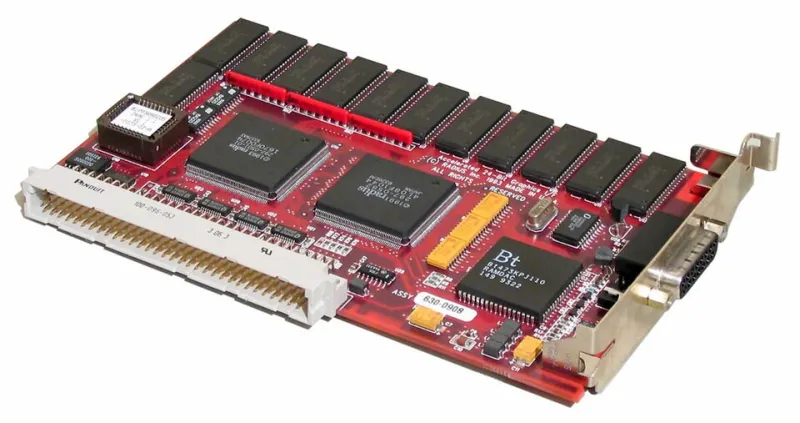
Photo: Unknown, CC BY-SA 2.5, via Wikimedia Commons
The used GPU market in 2025 looks like a yard sale being held during an earthquake. Cards that were worth $400 six months ago are listing for $180. Other cards that were worth $180 six months ago are somehow still listing for $400. Sellers are confused. Buyers are confused. A guy on Facebook Marketplace is trying to offload four RX 6700 XTs from what is very obviously a decommissioned mining rig, and he's calling them "lightly used for video editing."
Welcome to the chaos. Let's find you a deal.
Why the Used Market Looks Like This Right Now
Three things collided at roughly the same time to create the current secondhand GPU situation, and understanding them is the difference between finding a steal and getting absolutely peeled.
The mining hangover is still very real. Ethereum's move to proof-of-stake back in 2022 dumped an enormous wave of used cards onto the market. Most of those cards have already cycled through — but a new wave of GPU-intensive AI mining and inference workloads briefly made certain cards valuable again in 2023 and early 2024. Now that profitability has shifted again, another flush of used hardware is hitting eBay, Craigslist, and Facebook Marketplace from small-scale operators who ran cards hard and are now trying to quietly exit.
RTX 50-series hype created a seller's panic. When NVIDIA announced the RTX 50 lineup, owners of 30-series and 40-series cards started listing their hardware before values dropped further. This created a temporary glut of mid-generation cards at prices that are, in some cases, genuinely excellent. In other cases, sellers priced high hoping to catch buyers who didn't do their homework.
Supply chain normalization finally happened. After years of GPU scarcity, cards are now actually available at MSRP from retailers. This is fantastic news for the used market because it creates a hard price ceiling — nobody's paying $50 over market for a used card when they can buy new for MSRP down the street.
The Cards Worth Hunting Right Now
Not all secondhand GPUs are created equal. Here's where the actual value is hiding.
AMD RX 6700 XT and RX 6800 XT
These are the sleeper picks of the current used market. The RX 6700 XT in particular hits a sweet spot: it's a legitimate 1080p and 1440p performer, it wasn't a popular mining card (miners preferred cards with high VRAM bandwidth for ETH), and it's falling in price as owners upgrade. A clean 6700 XT in the $130–$160 range is a genuinely solid pickup. The 6800 XT at $200–$250 is borderline incredible if you can find one from a non-mining source.
NVIDIA RTX 3070 and RTX 3080
These cards were mining darlings, which means you need to be careful — but they're also ubiquitous enough that clean examples from gamers exist in meaningful numbers. An RTX 3070 from a verifiable gaming source (check the seller's history, ask for photos of the system it came from) in the $180–$220 range is strong value. The 3080 with 10GB of VRAM in the $250–$300 range remains a capable 4K card that punches well above its used price.
RTX 4060 Ti — Maybe Skip It
Here's where it gets spicy. The RTX 4060 Ti is available new for around $399. Used ones are listing for $280–$340. That gap isn't big enough to justify the risk of a used card when new is right there. Pass.
The Cards That Are Overpriced Relics
Some sellers haven't gotten the memo that time has passed.
RTX 3090 at anything over $350. It's a 24GB monster that was a professional card masquerading as a consumer GPU. The VRAM is still impressive, but performance-per-dollar at current asking prices is not competitive with newer mid-range options.
GTX 1080 Ti listings above $100. We love the 1080 Ti. It was a legendary card. It is also seven years old and increasingly struggling with modern titles. If someone's asking $150+ for one in 2025, they're banking on nostalgia.
Any Vega-era AMD card. Just... no. The power consumption alone should send you running.
Your Used GPU Buyer's Checklist
Before you hand over a single dollar, run through this:
- Ask for a stress test video or FurMark screenshot. Any seller unwilling to run a 10-minute stress test is a seller with something to hide.
- Check for coil whine descriptions in the listing. Mining cards ran at 100% load for months or years. Coil whine is a symptom worth asking about directly.
- Look at the fan condition in photos. Dusty fans with bent blades are a tell. Ask for close-up photos if they're not provided.
- Verify the VRAM hasn't been underclocked. Some mining configurations undervolted and underclocked VRAM to extend lifespan. A quick GPU-Z screenshot from the seller confirms stock clocks.
- Cross-reference the asking price. Use eBay's "sold listings" filter — not active listings, sold listings — to see what cards are actually clearing at. This is your most powerful tool and most buyers don't use it.
- Check warranty transferability. Some GPU warranties are non-transferable. Some aren't. EVGA is gone, but ASUS, MSI, and Sapphire have varying policies worth checking before you buy.
Price Tracking Tools That Actually Help
A few resources that'll save you real money:
CamelCamelCamel tracks Amazon price history, which helps you understand where new card prices have been and where they might go.
eBay Sold Listings (filter under "Show Only" → "Sold Items") is the single best real-world price reference for used hardware. It shows what buyers actually paid, not what sellers wish they could get.
r/hardwareswap on Reddit has a dedicated community with flair-verified sellers and a culture of honest pricing. It's not without risk, but the community polices bad actors reasonably well.
GPU Price Check and similar aggregator sites pull from multiple storefronts and can flag when used prices are creeping toward new-card territory.
The Bottom Line on Buying Used Right Now
The secondhand GPU market is messy, but messy markets create opportunities for buyers who do their homework. The mining hangover, RTX 50-series anxiety selling, and normalized new-card supply have all conspired to make this a genuinely decent time to buy used — as long as you're not buying blind.
Stick to cards from verifiable gaming sources. Use sold listings as your price anchor. Run through the checklist before committing. And if a deal feels too good to be true on Facebook Marketplace from a guy named "DavidCryptoKing2019"... it probably is.
Peel back the listing price. Find the actual value underneath. That's what we're here for.