We Audited Three Prebuilt Gaming PCs Against Their Part Lists. The Results Will Ruin Your Assumptions.
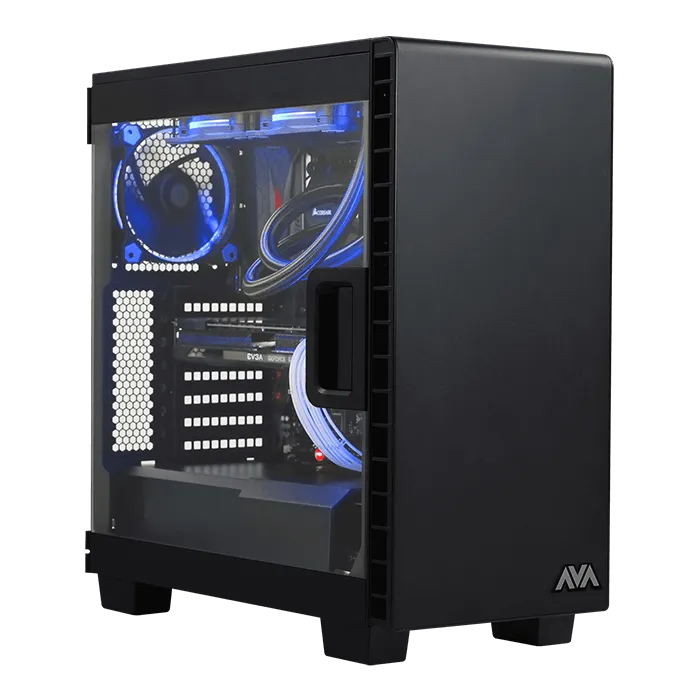
Photo: Nikitarama, CC BY-SA 4.0, via Wikimedia Commons
For the last decade, the first commandment of PC gaming has been thou shalt build thine own rig. And for most of that decade, it was good advice — prebuilts carried a 20–40% 'convenience tax' plus a case that looked like a rejected sci-fi prop and a PSU sourced from a scrapyard.
That rule is dying. Not because prebuilders found religion, but because inventory gluts, OEM GPU bundles, and a soft retail market have turned big-box prebuilts into genuine value plays. We ran the numbers on three popular configurations, and the results should make every budget builder a little nervous.
The Price Audit: Prebuilt vs. DIY
Config 1: The ~$800 Ryzen 5 / RTX 4060 build. Equivalent parts list: roughly $780–$850 depending on sales. Verdict: a wash. The prebuilt is within noise of DIY pricing, and sometimes cheaper during flash sales.
Config 2: The ~$1,300 i5 / RX 7700 XT build. DIY equivalent: about $1,350–$1,450. Verdict: the prebuilt wins by $50–$150. This is where OEM GPU bundling deals — the card maker's version of a volume discount — do the heavy lifting.
Config 3: The ~$2,200 i7 / RTX 4070 Ti Super build. DIY equivalent: roughly $2,000–$2,150. Verdict: DIY wins back the lead at the high end, where prebuilt margins fatten up alongside the price tag.
The pattern: prebuilts are most competitive in the $700–$1,400 range, exactly where first-time builders live. That should terrify anyone whose entire argument was 'I'll save money.'
Where Prebuilders Cut Corners (And How to Spot It)
The sticker price is real. The corners are real too. Before clicking buy, check the listing for these four tells:
1. The no-name PSU. If the listing says '600W PSU' without a brand or an 80 Plus rating, assume it's a fire hazard with delusions. A quality 650W unit costs $70 — a prebuilder saved $40 and you inherit the risk. This is the single most common cut.
2. Single-stick RAM. '16GB DDR5' often means one 16GB stick running in single channel, costing you 5–15% in games. Two 8GB sticks is the correct answer.
3. The mystery SSD. '1TB NVMe' without a model number usually means a DRAM-less budget drive that'll wheeze under load. Fine for storage, painful as a boot/game drive.
4. The proprietary motherboard. Big OEMs (you know who you are, beige-tower brands) love standard-less boards and PSUs that lock you out of upgrades. Boutique builders and system integrators on Newegg or via Micro Center typically use standard ATX parts. Ask or read closely.
When Building Yourself Still Wins
DIY keeps the crown if: you're spending over $1,500 (margins grow with price), you enjoy the process (it's adult LEGO, and the pride is real), you want a specific aesthetic, or you're buying during major sale events when parts hit their floor prices.
It also wins on the upgrade path — a standard-parts prebuilt from a good integrator is fine, but a proprietary one is a dead end wearing a RGB bow.
The Verdict
If you're a first-timer staring at a $900 budget and a prebuilt with a named PSU, dual-channel RAM, and a real GPU model number in the spec sheet — take the win. The 'prebuilt tax' has largely evaporated at the mid-range, and pretending otherwise is brand loyalty, not economics.
Just read the spec sheet like a lawyer. Because somewhere out there, a $900 rig with a mystery power supply is waiting for someone who didn't.